★★★☆☆3.5(295 reviews)
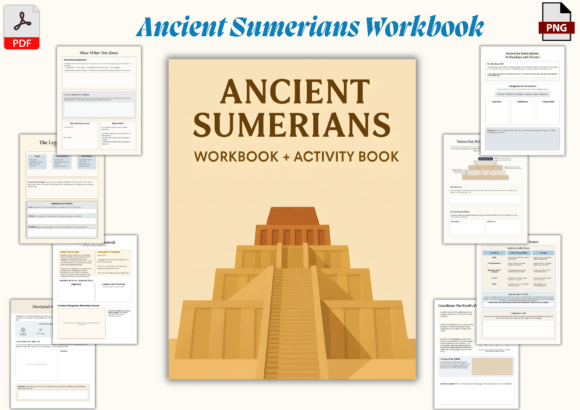
Ancient Sumerians Workbook
Step Into the Cradle of Civilization—Without Leaving the Classroom
That’s where the Ancient Sumerians Workbook steps in—not as a static textbook, but as an invitation to think, draw, question, and connect. At 8.5 x 11 inches and 22 thoughtfully designed pages, it’s sized for desks, lap desks, and homeschool tables alike. More importantly, it’s built around *doing*, not just reading.Why “Doing” Matters When Learning About Sumer
Children (and adults!) remember best when learning is anchored in action. The Ancient Sumerians Workbook taps into this instinct. Instead of memorizing that cuneiform was written on clay, students press stylus-shaped tools—or pencils—into textured paper or modeling clay to replicate wedge-shaped marks. Rather than passively hearing that Uruk was one of the world’s first cities, they label its location on a Mesopotamian map, compare its size to their own town, and sketch what a ziggurat might look like from ground level.What’s Inside—and Why It Works
The Ancient Sumerians Workbook blends visual, linguistic, and kinesthetic learning in ways that support diverse learners—including those who thrive with structure, those who need creative outlets, and those who benefit from reflection time.- 🏛️ City-States & Cuneiform Exploration: Short, clear reading passages introduce Ur, Lagash, and Nippur—not as names on a list, but as living centers of power, worship, and innovation. Follow-up prompts ask students to design their own city-state seal or decode simple cuneiform signs using a provided key.
- 📜 Daily Life & Belief Systems: Through illustrated scenes and guided questions, learners explore how Sumerian farmers, scribes, priests, and children lived—not just “what” they did, but “how” and “why.” One activity invites writing a short letter home from the perspective of a young apprentice scribe.
- 🎨 Creative Response Pages: Drawing a Sumerian deity with symbolic attributes, designing a cylinder seal pattern, or illustrating a scene from the Epic of Gilgamesh helps internalize cultural values and artistic conventions—without requiring art expertise.
- 🔍 Critical Thinking Prompts: These go beyond recall. “How might flooding have shaped both Sumerian religion *and* engineering?” or “Compare Sumerian trade with modern supply chains—what stayed the same? What changed?” foster analytical habits transferable across subjects.
- ✏️ Writing & Comparison Tools: A side-by-side chart comparing Sumerian inventions (wheel, plow, base-60 number system) with their modern descendants makes progress tangible. Another page scaffolds creative writing with sentence starters and vocabulary banks rooted in historical context.
Designed for Real Classrooms—and Real Lives
Teachers using the Ancient Sumerians Workbook report it fits seamlessly into existing units on early civilizations—whether part of a broader Mesopotamia module or a standalone deep dive. Its 22-page count avoids overwhelm; each activity can be completed in 15–30 minutes, making it ideal for warm-ups, station rotations, or sub plans.Who Benefits Most—and Where It Fits Best
While officially recommended for grades 4–8, the Ancient Sumerians Workbook scales well:- Grade 4–5: Focus on illustrations, labeling, sequencing events, and simple comparisons (e.g., “How is your school day like or unlike a Sumerian child’s?”).
- Grades 6–7: Dive deeper into cause-and-effect reasoning, primary source analysis (using adapted excerpts), and ethical questions (e.g., “Was the temple economy fair to all citizens?”).
- Grade 8+ (or advanced younger students): Use extension prompts to explore historiography—how we know what we know about Sumer—and examine biases in archaeological interpretation.
Realistic Expectations: Strengths and Considerations
Like any focused resource, the Ancient Sumerians Workbook excels within its scope—but isn’t meant to replace full curriculum or immersive fieldwork. Its strength lies in depth over breadth: 22 pages allow sustained attention on Sumer specifically, rather than skimming across dozens of cultures.Making the Most of It: Practical Tips
- Start with the map. Ground students geographically before diving into culture—it reduces cognitive load and sparks curiosity (“Why here? Why not elsewhere?”).
- Use the reflection prompts aloud. Even 60 seconds of verbal processing (“Turn to a partner and say one thing that surprised you”) boosts retention.
- Let creativity lead inquiry. A student’s drawing of a ziggurat may spark questions about labor, math, or astronomy—follow those threads.
- Connect backward and forward. Ask: “What Sumerian idea shows up in today’s classroom?” (Answer: standardized testing began with scribe exams.)
Final Thought: More Than a Workbook—A Time Bridge
The Ancient Sumerians Workbook doesn’t just teach about the past. It teaches *with* the past—using the same human impulses that drove Sumerians to write, build, worship, and wonder. When a child presses a wedge into clay, they’re not mimicking history. They’re participating in it.
⬇️ Download Free
Free download · No sign-up required
🔗 You Might Also Like
Kdp Interiors
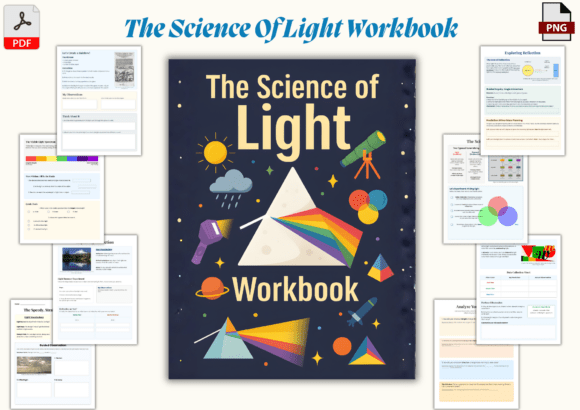
⭐ The Science of Light Workbook – 8.5 x 11 inches PDF PNG A complete, interactiv...
Kdp Interiors
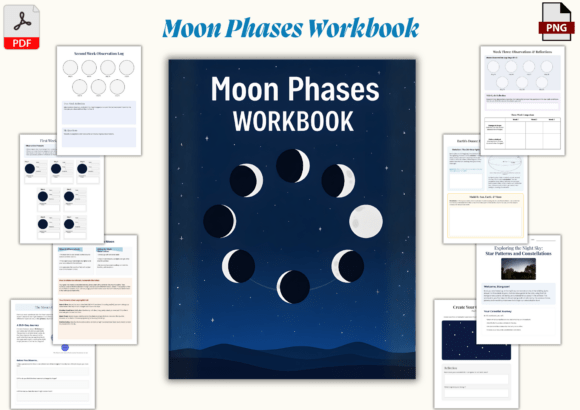
Help students explore the rhythm, beauty, and science of the Moon’s changing sha...
Kdp Interiors
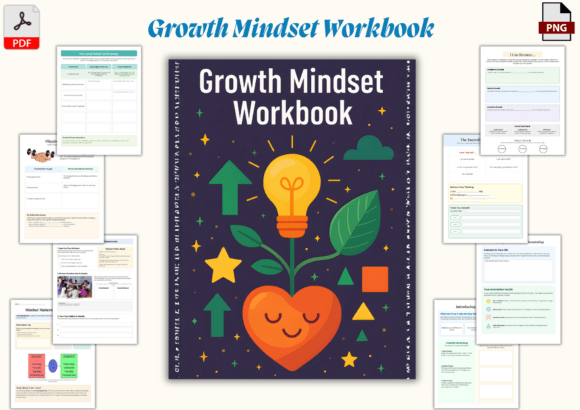
Unlock your inner confidence with the Growth Mindset Workbook, a powerful 8.5 x ...
Kdp Interiors
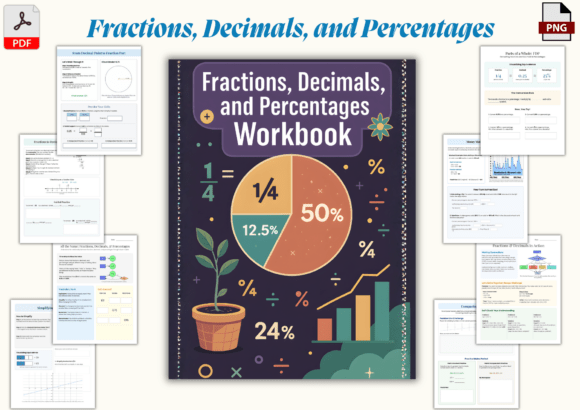
Unlock the power of math mastery with the Fractions, Decimals, and Percentages W...
Kdp Interiors
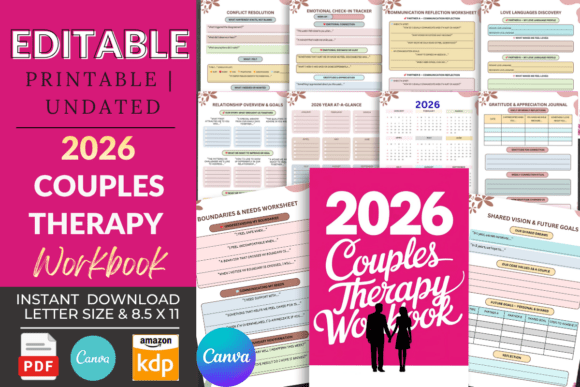
💞 2026 Couples Therapy Workbook – Strengthen Communication, Trust Emotional Conn...
